

How Price Guarantee Policies Really Work: 5 Things to Know
Last Updated: November 21, 2026
Quick Summary
A price guarantee is a retailer's written promise to give you a better deal if you find the same item cheaper elsewhere, either before you buy or shortly after. It is a policy with rules, not a magic discount button, and those rules decide whether you get money back or a polite no.
- Retailers offer four distinct policies: price matching, price adjustment, price protection, and pre-order price guarantee.
- A price match refund is typically the difference between what you paid and the competitor's lower price, excluding taxes and shipping unless stated.
- Most policies run for a set number of days from your purchase date, and the clock starts the moment you pay.
- Clearance, coupon, and third-party marketplace prices often do not qualify because they are not the retailer's normal advertised price.
- Gather a screenshot with URL, date, and price, plus your receipt, before contacting the retailer.
Table of Contents
- What a Price Guarantee Actually Promises
- How a Price Match Policy Works From Claim to Refund
- The Price Adjustment Time Limit and Other Fine Print
- A Price Match Request Script You Can Copy
- Price Match Examples: Three Claims Worked Through
- Checking Furniture Depot's Price Guarantee Before You Buy
- Frequently Asked Questions
What a Price Guarantee Actually Promises
A price guarantee is a retailer's written promise to give you a better deal if you find the same item cheaper elsewhere, either before you buy or shortly after.
Here is the part most shoppers miss. A price guarantee is not a magic discount button. It is a policy with rules, and those rules decide whether you get money back or a polite "no."
The Four Types of Price Guarantees
Most shoppers use "price guarantee" as a catch-all, but retailers actually offer four distinct policies. Knowing which one applies to your situation is the first step to a successful claim.
- Price matching (pre-purchase): You find an identical item at a lower price before you buy, and the retailer matches that price at the till. This is the most common form and usually requires proof of the competitor's current advertised price.
- Price adjustment (post-purchase): You buy an item, then the same retailer drops its own price within a set window. You ask for the difference back. This is sometimes called a "price drop refund" and typically applies only to the retailer's own price, not a competitor's.
- Price protection (post-purchase, competitor): You buy an item, then find the identical item cheaper at a competitor within a set window. The retailer refunds the difference. This is less common than price adjustment and often has stricter exclusions.
The difference matters because each policy has its own time limit, proof requirements, and exclusions. A retailer might offer price matching but not price protection, or price adjustment but not price matching.
Why Retailers Offer These Policies
Price guarantees are not altruism. They serve several business purposes: they reduce the risk of you walking away to comparison-shop, they signal that the retailer's regular prices are competitive, and they can reduce the need for frequent markdowns. A common pattern is that retailers with strong price-matching policies use them to build a reputation for fair pricing, which can increase customer loyalty and reduce price negotiation at the till.
How a Price Match Policy Works From Claim to Refund
Every price match policy follows the same basic path, whether you are buying a sofa or a nightstand. But the details at each step decide whether your claim succeeds or fails. Here is a practical checklist and a worked example to show how the refund is calculated.
The Claim Checklist
Before you contact the retailer, gather these items:
- Proof of the lower price: a screenshot of the competitor's product page showing the current price, the date, and the seller's name; a digital flyer; or a photo of an in-store price tag.
- Your purchase receipt or order confirmation: showing the item, model number, date, and price you paid.
- The exact product match: confirm the competitor's item has the same brand, model number, size, color, and material. A different fabric or a slightly different model number is not a match.
Step-by-Step Claim Process
- Find the identical item at a lower advertised price. The price must be from an authorized seller and must be the regular advertised price, not a clearance, liquidation, or marketplace price.
- Gather proof. Take a screenshot that includes the URL, date, and price. For flyers, keep the entire page.
- Contact the retailer before or shortly after purchase. Use the script in the next section or the retailer's online form.
- The store checks eligibility. They will verify the product match, the competitor's authorization status, stock availability, and whether any exclusions apply.
- You get the difference as a refund or a reduced price. The refund is typically the difference between what you paid and the competitor's lower price, excluding taxes and shipping unless the policy states otherwise.
Worked Example: Calculating Your Refund
Suppose you buy a bed frame for $800 (before tax) and find the identical model at a competitor for $700. The policy allows a price match within 14 days of purchase. Your refund is $100, plus any tax difference if the policy refunds tax on the difference. If the competitor's price is $700 but shipping is $50, the policy may compare the total delivered price, so your match might be based on $750, not $700.
Common Rejection Scenarios
- Product mismatch: the competitor's item has a different model number or fabric, even if it looks similar.
- Excluded price type: the lower price is a clearance, liquidation, coupon, or marketplace price.
- Out of stock: the competitor's item is not available for immediate sale.
Watch out: assuming a guarantee lasts indefinitely is the most common mistake. Most policies run for a set number of days from your purchase date, and the clock starts the moment you pay.
If you are following the claim steps and want a real item to picture the process on, this reclining sofa set with a USB outlet is the kind of larger purchase where a price match claim is worth the effort.
Here is the claim path at a glance, from spotting a lower price to getting the difference back.
| Step | What to do | Key detail |
|---|---|---|
| 1 | Find identical item at lower advertised price | Regular advertised price, authorized seller |
| 2 | Gather proof | Screenshot with URL, date, and price |
| 3 | Contact retailer | Before or shortly after purchase |
| 4 | Store checks eligibility | Product match, authorization, stock, exclusions |
| 5 | Get the difference | Refund or reduced price, excluding taxes and shipping |
The Price Adjustment Time Limit and Other Fine Print
The price adjustment time limit is the window in which you can claim a difference after purchase. Miss it and the policy no longer applies, no matter how clear your proof.
Fine print to read before you rely on any guarantee:
- Time limits on both matching and adjustments
- Receipt requirements, since most claims need your purchase date confirmed
- Shipping and tax treatment, which varies by retailer
Watch out: assuming a guarantee lasts indefinitely is the most common mistake. Most policies run for a set number of days from your purchase date, and the clock starts the moment you pay.
Exclusions: Sales, Clearance, Coupons, and Marketplace Sellers
Exclusions are where shoppers get surprised. A lower price that comes from a clearance event, a coupon code, or a third-party marketplace seller often does not qualify.
Why? Because those prices are not the retailer's normal advertised price. They are temporary or set by someone else.
Before you count on a match, check whether the lower price is:
- A regular advertised price, or a flash sale
- From an authorized seller, or a marketplace listing
- Before or after shipping and tax
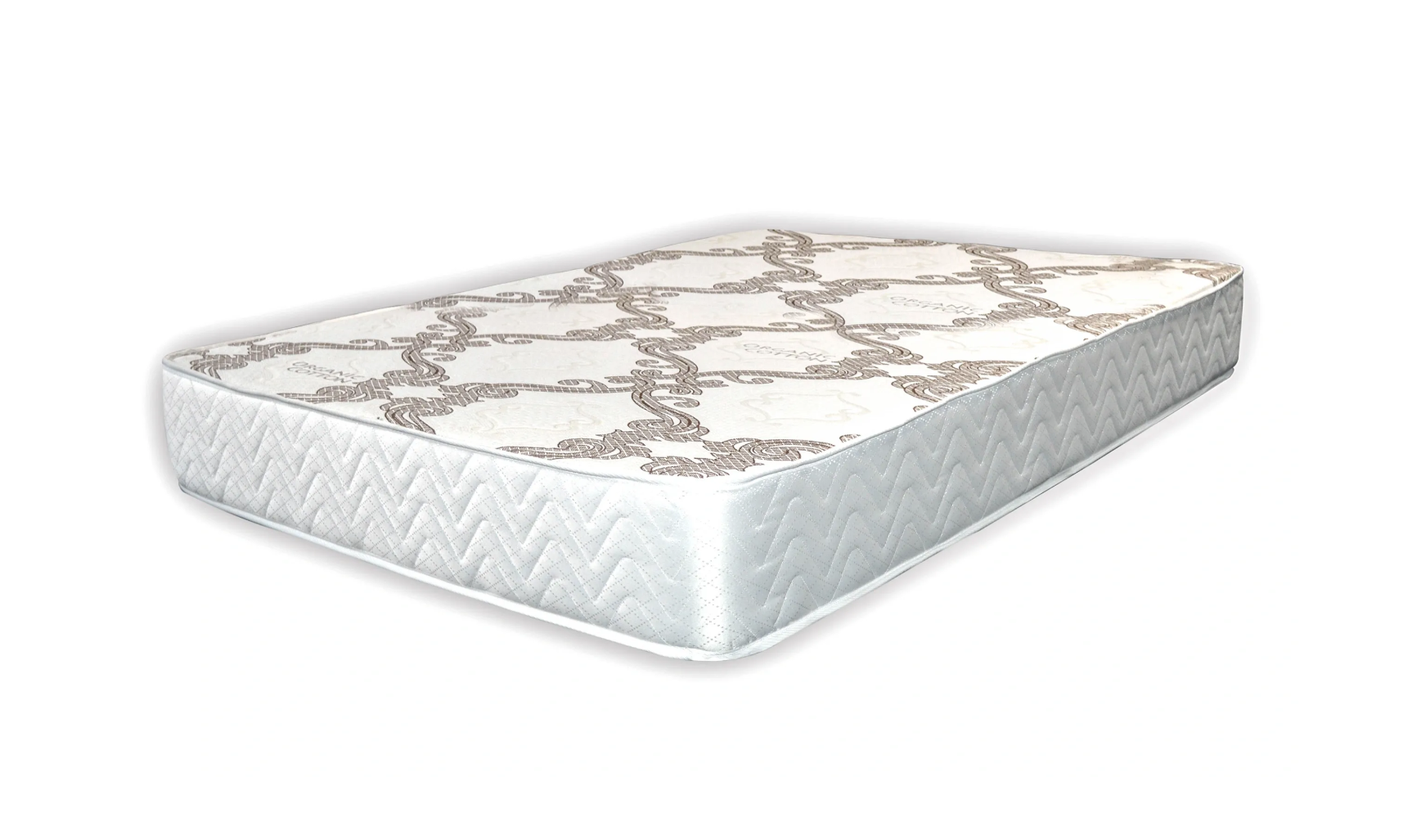
If you are weighing a fine-print-heavy purchase, a queen foam mattress is a good example of an item where sale and clearance terms decide whether a claim stands.
A Price Match Request Script You Can Copy
Use this script when you contact a retailer. It keeps your request clear and gives them everything they need to say yes.
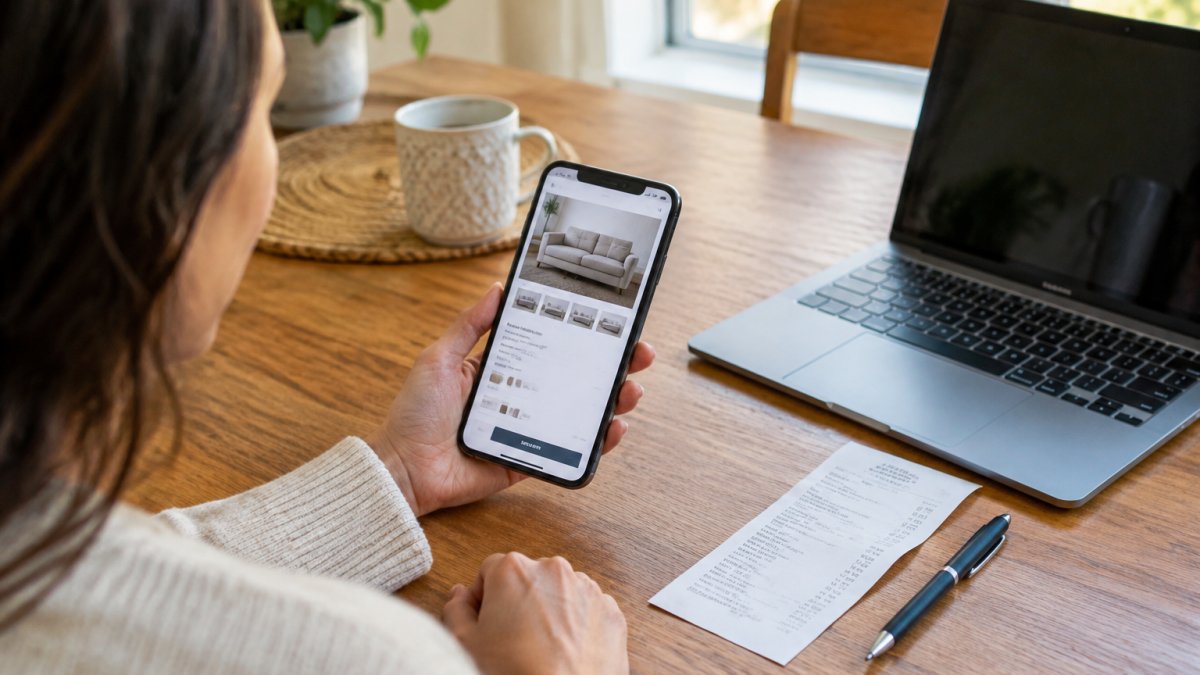
Hi, I would like to request a price match. I purchased [item name and model] on [date] for [price]. I found the identical item advertised at [competitor] for [lower price].
Keep it short. Attach your proof. State the product clearly so they can verify the match.
Price Match Examples: Three Claims Worked Through
Here is how the rules play out in practice.
Claim 1: Approved. You buy a bed frame, then find the identical model advertised at a regular price lower than yours within the time limit.
Claim 2: Denied because of a sale. The lower price came from a clearance event. Clearance is excluded, so no match applies.
Claim 3: Denied because of a product mismatch. The other item looks similar but has a different model number.
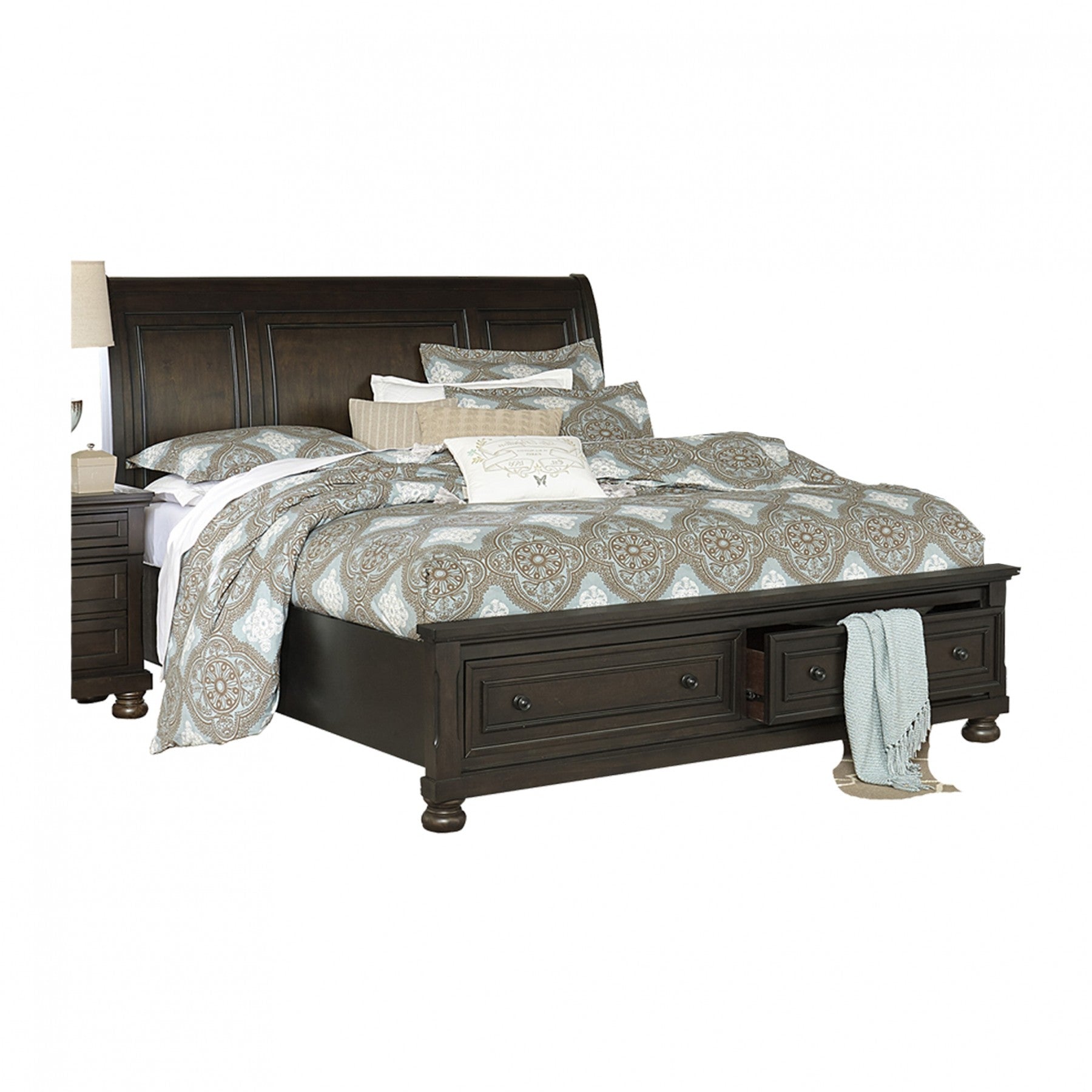
Seeing these side by side makes the pattern obvious. A big-ticket item like a king sleigh storage bed is exactly where working through these steps pays off.
Checking Furniture Depot's Price Guarantee Before You Buy
We keep our price guarantee simple on purpose.
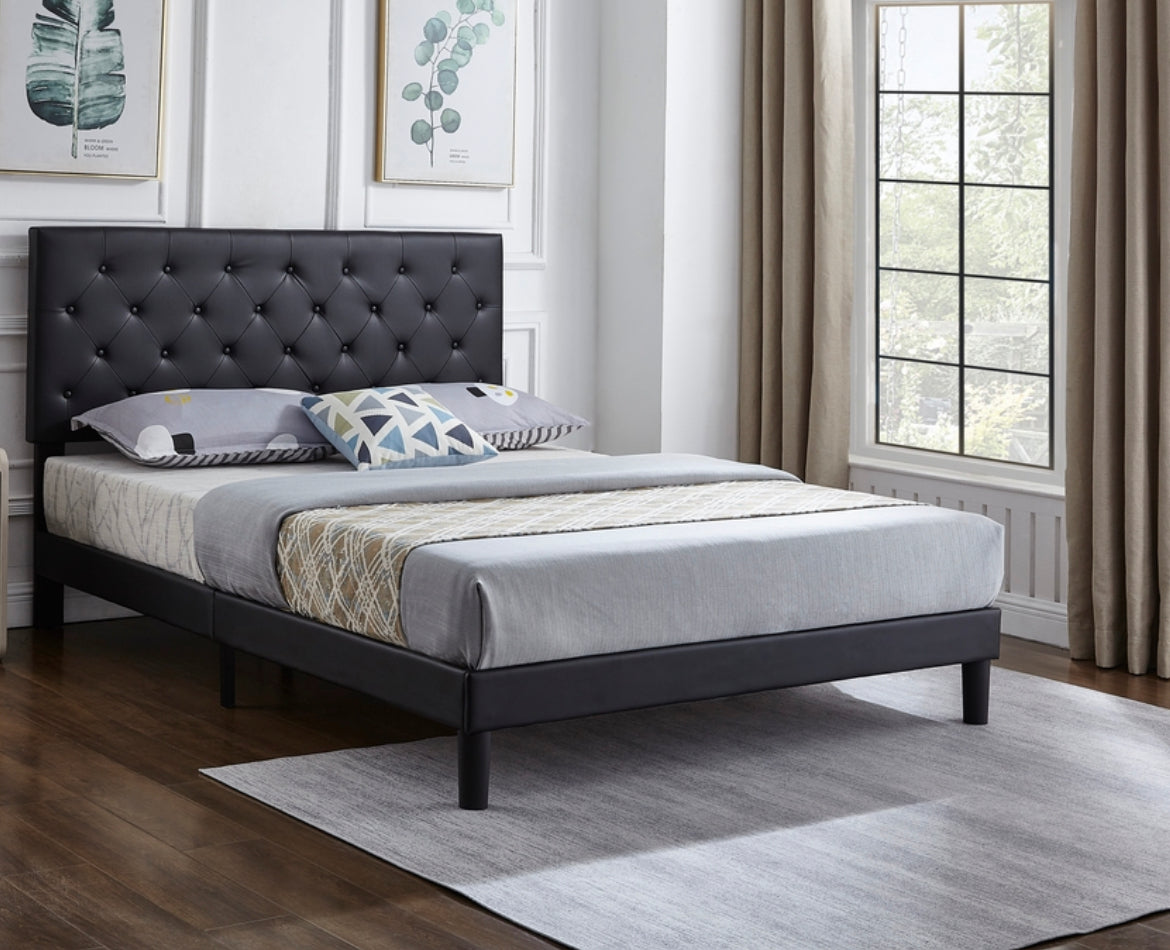
Before you buy, it helps to have a product in mind so you can compare it directly. If you are furnishing a bedroom, an adjustable headboard platform bed is a solid starting point to check against other prices. For a living room, this sectional with a drop-down tray and power outlet gives you a clear item to compare.
Two things make the guarantee easier to use. First, keep your receipt and note your purchase date. Second, save a screenshot of any lower price you find, including the date and the seller.
Price guarantees only feel complicated until you know the rules. The real challenge is finding furniture you love at a fair price in the first place. Furniture Depot is a proudly Canadian, family-owned retailer, and we back our pieces with a price guarantee, free delivery on orders over $499 in the GTA, and flexible no-payment, no-interest financing options.
Frequently Asked Questions
What is the difference between a price match and a price adjustment?
A price match happens before you buy: you show a competitor's lower advertised price and the retailer drops its price to match. A price adjustment happens after you buy: the same retailer lowers its own price, or you find a lower price elsewhere within a set window, and you claim back the difference. Price matching is decided at the till, while price adjustment depends on a time limit and usually a receipt. Ask which one a store offers before you pay, because the claim process and deadlines differ.
What proof do I need to request a price match?
Most policies ask for the competitor's advertised price in writing: a flyer, a screenshot of the product page showing the price and date, or a written quote. The listing must show the identical product, including model number, colour, and size, and it should be in stock at the competitor. Bring your receipt or order confirmation for an adjustment claim. Screenshots should include the URL and the date, since policies often require the price to be current when you make the request.
Do price guarantees apply to sale, clearance, or marketplace listings?
Often they do not. Many price match policies exclude clearance, liquidation, open-box, and limited-quantity sale items, and listings from marketplace sellers rather than the retailer itself. Coupons and member-only prices are frequently excluded too. Shipping, tax, and delivery charges are usually compared separately, so a lower sticker price with paid delivery may not count. Read the exclusions list before you build a claim around a sale price, and confirm whether the competitor is an authorized seller.
How long after a purchase can I ask for a price adjustment?
The window varies by retailer and is usually stated in days from the purchase date, so check the policy at the time you buy rather than weeks later. Keep your receipt and note the purchase date, since most claims require both. If you are still shopping, ask the associate to confirm the price adjustment time limit in writing or on the receipt. Setting a reminder a few days before the window closes gives you time to check prices and submit a claim.


