

How to Style a Cohesive Home Interior: A Complete Guide
Last Updated: November 19, 2026
Quick Summary
A cohesive home interior is a space where every room feels part of the same story, created by repeating the same colours, materials and design language across the house. Start with a shared palette of three to five colours, choose one design style with a neutral base, and repeat metal finishes, wood tones and textiles from room to room.
- Choose three to five colours for the whole house before buying any furniture.
- Use one main wall colour throughout the main living areas where possible.
- Keep trim, ceilings and interior doors in a consistent finish across the home.
- Bring one accent colour into at least three rooms through cushions, rugs, art or vases.
- Limit each room to three or four distinct materials to avoid a busy look.
Table of Contents
A cohesive home interior is a space where every room feels like part of the same story, even when each room has its own purpose. Cohesion is best understood as a matter of repetition: the same colours, materials and design language returning in a deliberate way from room to room. Cohesion is not matching. Matching produces a showroom; cohesion produces a home that feels like yours.
Shoppers often assume they need a single style to achieve this. In practice, most homes that feel unified mix two or three influences, such as warm wood, clean lines and soft neutrals, and let one of them lead. The goal is visual continuity, the sense that your eye can travel from the entry to the bedroom without stumbling over a clashing tone or a jarring material.
Cohesion works on three levels. The first is the overall design style or theme. The second is the colour palette and neutral base that frame every room. The third is the repeated details, such as metal finishes, wood tones, lighting and textiles, that tie the pieces together. When these three layers agree, a room looks intentional even if it was furnished over several years.
It helps to separate cohesion from perfection. A cohesive home can still include a bold accent chair, a vintage rug or a single room with its own character. What makes it work is that these exceptions echo something elsewhere in the house, whether a colour in a cushion or a finish on a lamp base.
Build a Whole-Home Color Palette Before You Buy Anything
Start with a palette, not a sofa. Choose three to five colours that will appear across the house: one dominant neutral for walls, one or two supporting tones for textiles and furniture, and one accent colour used sparingly. Writing these down gives you a reference point every time you shop, which is the simplest way to avoid impulse buys that fight with the rest of the home.
Pay attention to undertones. Warm whites, greige and cool grey can look identical on a sample card and completely different beside a timber floor or a brass fixture. Hold swatches against the flooring and the largest existing piece of furniture before committing. Your palette should work in daylight and under evening lamps, since most homes spend more time under artificial light than people expect.
Repetition is what makes a palette feel deliberate. Pick one accent colour, such as a deep green or terracotta, and bring it into at least three rooms through cushions, a rug, a piece of art or a vase. A common mistake is putting the accent in one room only, which makes it look like a mistake rather than a theme.
Keep a simple palette sheet, even a photo on your phone, with the colours and the materials they sit beside. Refer to it before every purchase. If a new piece introduces a colour that is not on the sheet, ask whether it can be swapped for something that is.
Choose a Shared Design Style and a Neutral Base
A shared design style gives your home a direction. Common options include transitional, modern, traditional and coastal, though most homes blend two of these. Choose the style that matches the way you live: clean and simplified suits busy households, while softer, layered textures suit people who entertain often or want a more relaxed feel.
A neutral base is what allows that style to move from room to room without strain. Neutrals are not beige by default. They can be warm whites, soft greys, mushroom tones or natural timber. The base should stay quiet so that furniture, textiles and accessories can carry the personality.
Walls, Trim, Ceilings and Doors
Walls are the largest surface in any room, so their colour sets the tone for everything placed against them. Use one main wall colour throughout the main living areas where possible. Changing paint in every room is the fastest way to make a home feel fragmented, even when the furniture is well chosen.
Trim, ceilings and interior doors are easy to overlook but they frame every sightline. Keep trim and doors in a consistent finish, whether white, off-white or a single wood tone. A common mistake is painting doors in a colour that appears nowhere else, which pulls the eye and breaks the flow between rooms.
Ceilings are usually best kept in a lighter version of the wall colour or a clean white. This keeps the home feeling open and prevents a patchwork effect when you look up from one room to the next.
Flooring, Tile and Stone Repetition
Flooring covers the most area of any interior, so repeating its tone and finish is one of the strongest ways to create cohesion. If your home has one floor material throughout, you have a head start. If it does not, choose undertones that sit comfortably together, such as warm oak beside a warm-toned tile, rather than mixing a cool grey stone with a red-toned timber.
Repeat tile and stone choices in bathrooms, kitchens and entryways where possible. A marble-look tile in the bathroom echoed by a stone counter in the kitchen signals intent. Check how finishes reflect light, since a glossy tile and a matte timber can look unrelated even when their colours match.
Mixing Furniture Styles Without Clutter
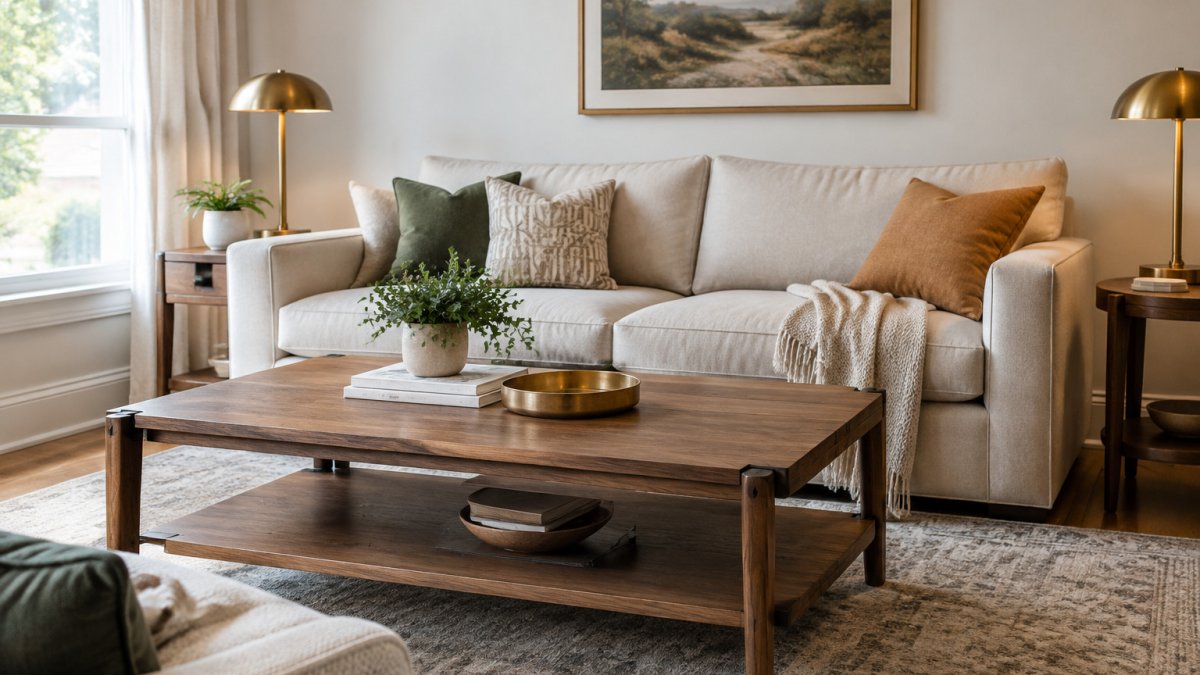
Mixing styles is one of the most common questions we hear from shoppers, and it is manageable with a clear rule. Anchor the room with one or two dominant pieces in your chosen style, then introduce secondary pieces that share a colour, material or line. A walnut-veneer coffee table, for example, can sit happily beside a upholstered sofa and brass table lamps because the warm wood and metal tones repeat.
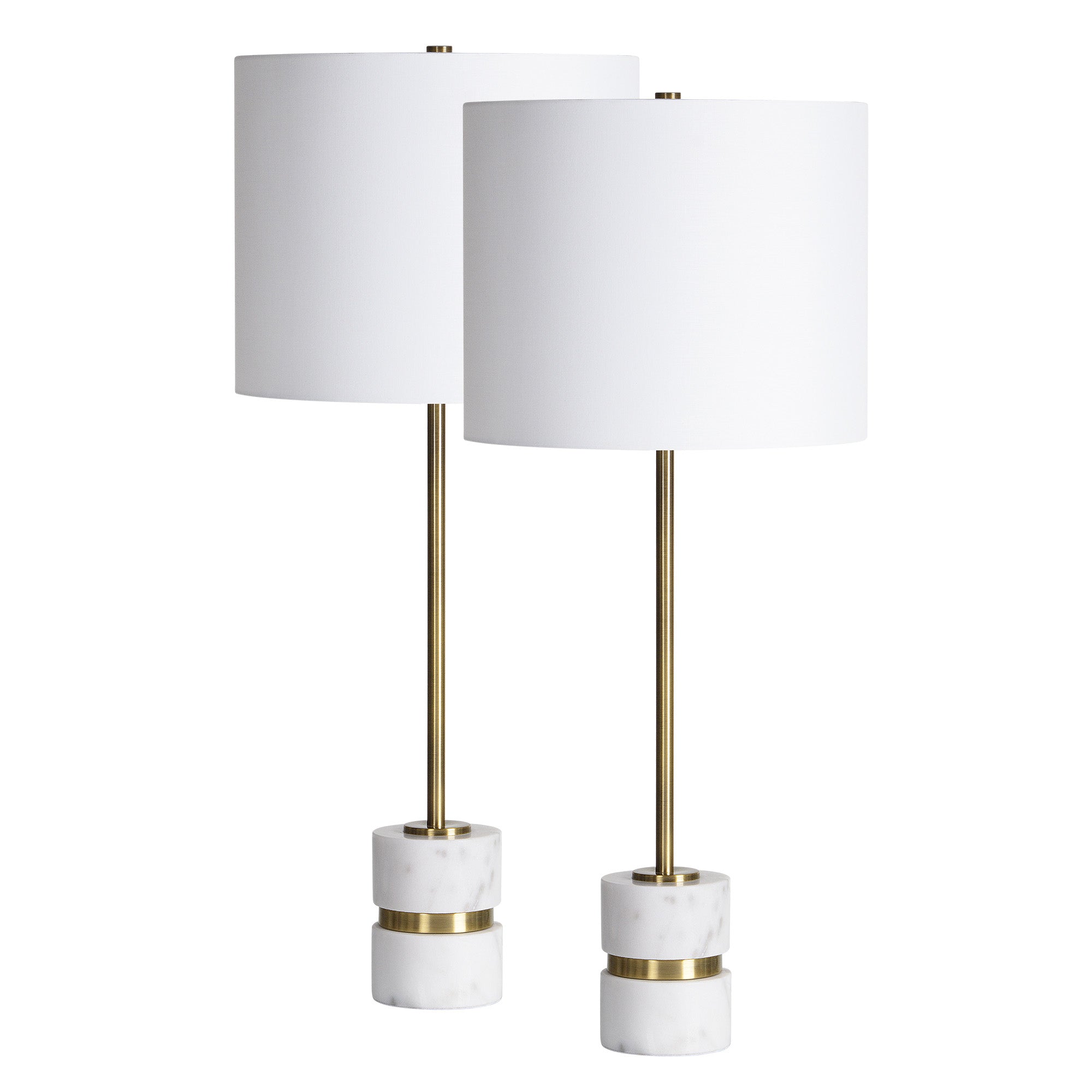
The Talulla Table Lamp - Set, priced at $317.00, shows how accent pieces can tie a room together. Its antique brushed brass finish and marble pattern can echo other metal and stone details in a room. Pair it with the Sedley Coffee Table Set Collection at $999.00 for a walnut and dark metal combination with a two-tone finish.
Avoid clutter by limiting the number of distinct materials in one room to three or four. Too many finishes, even attractive ones, make a space feel busy. Give each piece some breathing room and let at least one element, such as a rug or a bench, sit quietly in the background.
How to Make Rooms Flow Together, Including Open-Plan and Small Homes
Open-plan layouts and small homes make cohesion easier in one sense and harder in another. The sightlines are shorter, so every choice is visible at once. Use the same floor material across connected zones where possible, or define each zone with a rug and a consistent colour from your palette. A rug is often the most effective way to separate a dining area from a living area without a wall.
In smaller homes, keep the wall colour and trim identical across rooms to make the space feel larger. Use lighter tones on larger surfaces and reserve darker accents for furniture or textiles. Mirrors and metal finishes repeated across the home also help reflect light and connect spaces visually.
Awkward floor plans call for a different approach. If a hallway is narrow or a room has an odd shape, anchor the furniture to the longest wall and repeat the same lighting finish in every space so the eye has a continuous thread to follow.
A Room-by-Room Plan for Coordinating Your Home
Work through the house in a fixed order so no room gets furnished in isolation. Start with the entry and main living area, since these are seen most often and set the tone. Then move to the dining area, bedrooms and any home office, checking each choice against your palette sheet.
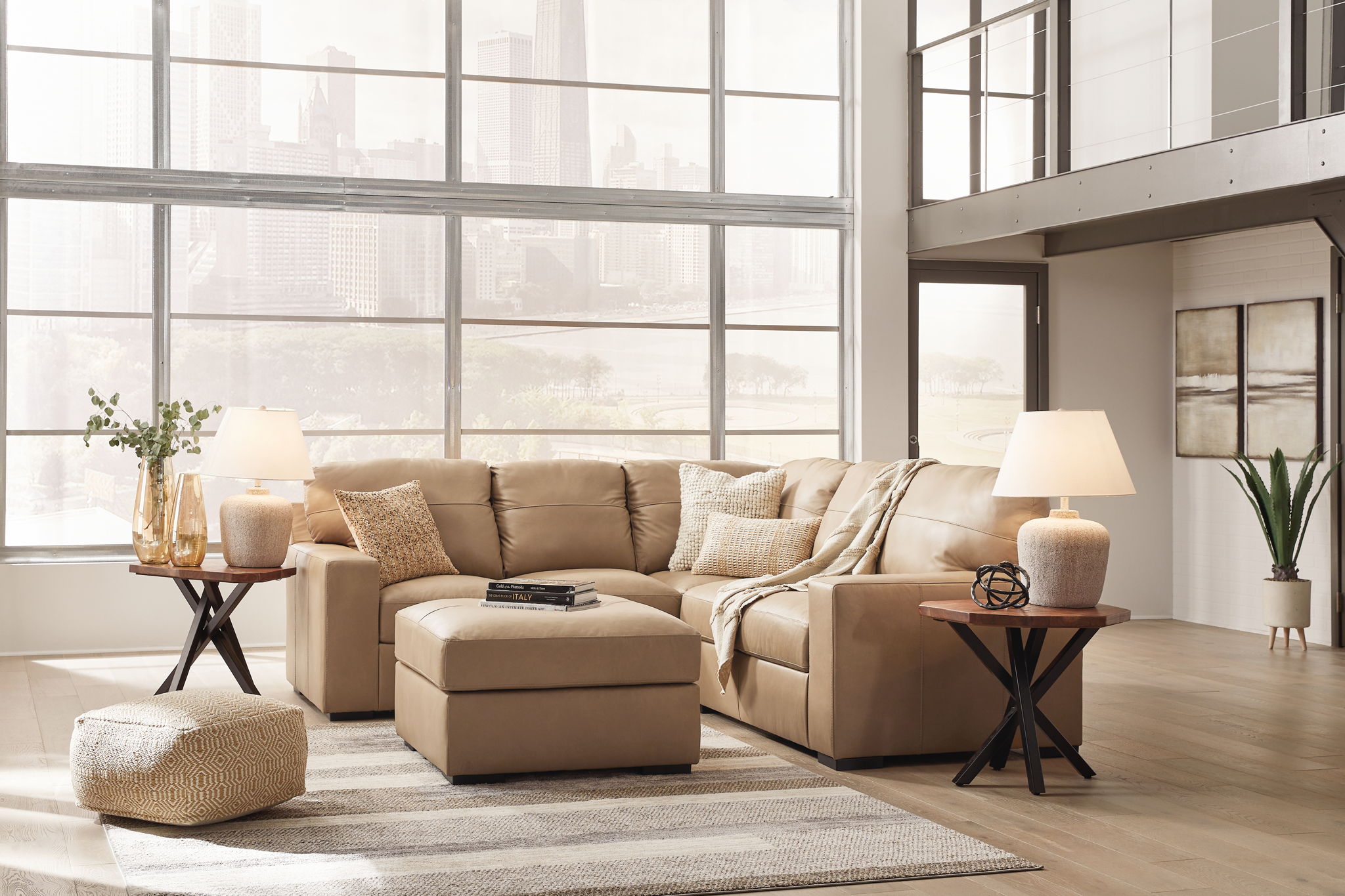
In the living room, begin with a sofa or sectional in your neutral base, then add a coffee table and lighting. The Bandon Living Room Set, a two-piece sectional with a raf or laf loveseat and ottoman, priced at $3,179.97, gives you a coordinated seating foundation in toffee tones that works with warm wood and brass accents.
For the bedroom, decide whether the bed or the nightstands will carry the design language. The Leeza Bedroom Set With Upholstered Panel Bed, at $3,169.96, is finished in mango veneer and hardwood solids with antique brass hardware. If you prefer a lighter look, the Vivienne Bedroom Set at $3,629.96 offers a soft white finish with nickel hardware, which suits a different palette but still follows the same principle of repeating one finish across every piece.
Dining areas and offices should borrow one material or finish from the living room. This keeps the home reading as one continuous plan rather than a series of separate purchases.
Budget, Rental-Friendly Choices and Common Mistakes
Cohesion does not require spending everything at once. Prioritise the shared elements that touch the most surfaces: wall colour, lighting finish and rugs. For a step-by-step guide, read How to Furnish a Condo on a Budget: A Room-by-Room Plan. These cost less than full furniture sets and change the feel of a home quickly. Buy the larger pieces first, then add accents as budget allows, and keep the palette fixed so later purchases fit.
Renters can achieve the same result with reversible choices. Where your lease allows, rely on rugs, lamps and textiles that move with you. Choose a neutral base for larger pieces so they remain usable after a move.
Common mistakes include buying every piece in one finish, which looks flat, and ignoring scale, which makes a room feel unbalanced. Another frequent error is treating a single trend colour as a permanent palette. Keep trend items to accessories that are easy to replace, and keep the big investments in timeless tones.
Cohesive Interior Design Ideas to Start With This Week
Start small and specific. Pick one room, choose its accent colour, and repeat that colour in two other spaces through textiles or art. Swap mismatched metal hardware for a single finish across lamps and handles. Add one rug that anchors a shared zone and ties two colours from your palette together.
Try a mood board before you shop. Collect five to ten images that share a colour and a material, then check each planned purchase against them. This habit alone will prevent most of the mismatches that make a home feel unfinished.
Browse the living room and bedroom collections to find pieces that already share a finish. Starting with a coordinated set, then layering accessories in the same tones, is the quickest path to a home that feels cohesive from the entry to the last room.
Frequently Asked Questions
How do you make a home interior look cohesive?
Start with one shared element you repeat in every room: a limited color palette, a consistent wood tone, or a matching metal finish on hardware and lighting. Pick a neutral base for walls, trim and ceilings so the rooms read as one home. Then add a few recurring materials, such as the same flooring species or tile tone, and keep your furniture in a related design style. Repetition across rooms, not identical decor, is what creates visual continuity.
Do all the rooms in a house need to match?
No. Rooms do not need identical furniture or colors, but they should share enough to feel connected. Many homes work well with a common neutral base, one or two repeated accent colors and consistent trim, door and flooring choices. Let each room have its own function and personality within that framework, such as a calmer bedroom or a bolder dining room. The goal is coordination, not matching sets in every space.
How can I mix furniture styles without making a room look cluttered?
Anchor the room with one dominant style, then introduce a second style in smaller doses. Repeat a material or color from the main pieces in the accent pieces so they connect. For example, a walnut coffee table pairs well with a more traditional sofa if both share warm wood tones and a neutral fabric. Limit accessories to a few intentional pieces and leave open space so the mix reads as curated rather than crowded.
How can I make rooms flow together in a small or open-plan home?
Keep the flooring, wall color and trim consistent across connected spaces so the eye moves without interruption. Use the same metal or wood finishes in lighting and hardware. In open-plan layouts, define zones with rugs and furniture placement rather than walls. Repeat one or two colors from the main living area in the dining and kitchen textiles, and keep sightlines clear so each zone feels part of one continuous space.
What is the best way to choose a color palette for the whole home?
Pick three to five colors: one neutral base, one or two main accents and one contrast color. Test them in daylight in several rooms before committing, since light changes how colors look. Use the same palette in textiles, accessories and art across the house, while allowing one room to carry a slightly stronger version of an accent. Keeping the palette small makes it easy to add new pieces later without the home looking disconnected.
How do I start styling a cohesive home interior on a budget?
Begin with the elements that affect the whole home: paint colors, a shared metal finish for lighting and hardware, and consistent rugs or textiles. These are lower cost and easy to change if you are renting. Then add furniture piece by piece, checking each purchase against your palette and materials. Furniture Depot offers free delivery on orders over $499 in the GTA and a price guarantee.


